

Last week, I saw a post from an artist who said something interesting. He had a job interview. He spoke to a human HR, but those conversations are actually recorded.
Ten minutes later, he received a detailed report about who he is as a professional and as a person. Here’s the part that caught my attention. Those answers apparently showed that he is completely different. Someone who believes actually he is. That brings an important question is AI helping VFX hiring or quietly replacing the human judgment?
Basically, the AI hiring system usually
- Analyze your audio transcripts,
- compare it to massive data sets,
- map your answers to personality models,
- predict their behavior patterns of you.
But here’s the truth it doesn’t actually understand you. It recognizes the patterns. If your wordings statistically matches to a profile, you get labeled accordingly. But in VFX, how many of us express ourselves in clean and corporate language, because some of the brilliant VFX artists I know are introverted, struggled with their interviews, overthinking questions or answer creatively instead of strategically.
Does that mean they are bad team players? Of course not. If your wordings matches to a certain behavior cluster, the system assigns you a personality label.
If someone hires a compositor,
- What do they actually care about?
- Can you solve the actual problems in real time?
- Can you break down a short logically?
- How do you accept the feedback and
- How do you stay calm under the pressure during the deadlines?
- And how can you communicate when something goes wrong?
So we can actually use this sense in a short technical discussion.
A breakdown of the real and the real one to one conversation. So during these questions, what if they are nervous? What if English is not their first language? And what if they answered creatively instead of corporately? Creative industries are messy, but AI prefers a clean data.There is something called Barnum effect.
This is when people accept vague personality. Descriptions are highly accurate. It’s the same reason horoscopes feel personal.
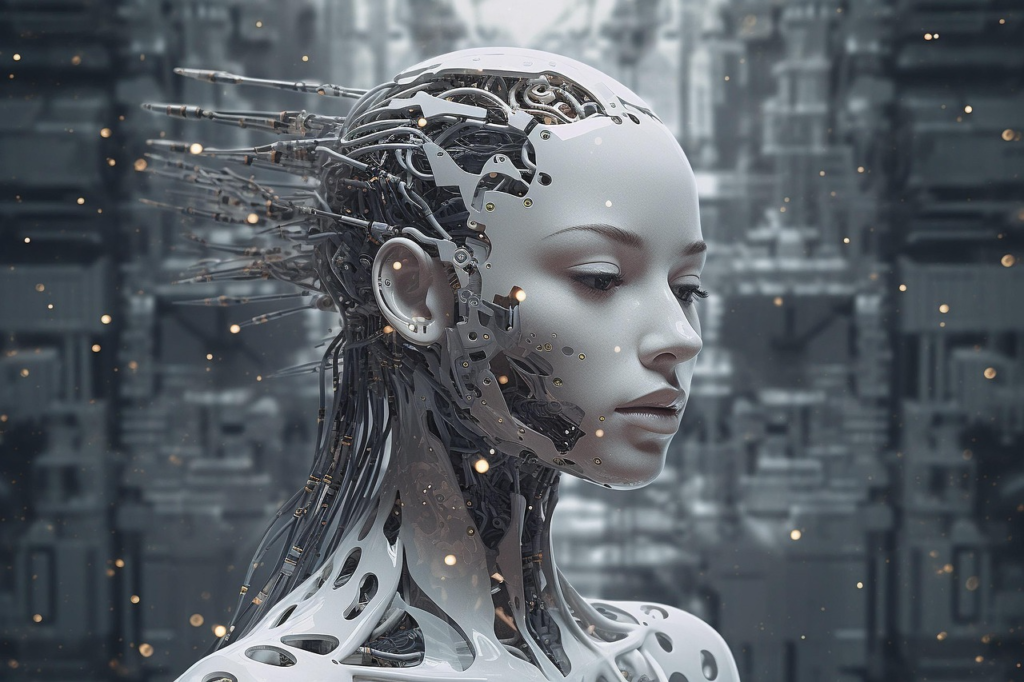
A personality reports often use broad behavior language you preferred structured environments. You value autonomy. You struggled with ambiguity. Almost everyone can partially related to this. So when one description feels wrong, it feels very wrong. But when another feels accurate, we give system more authority than it deserves. People tend to trust their decisions more when they are data driven, statistical, generated by technology, even if those systems are flawed.
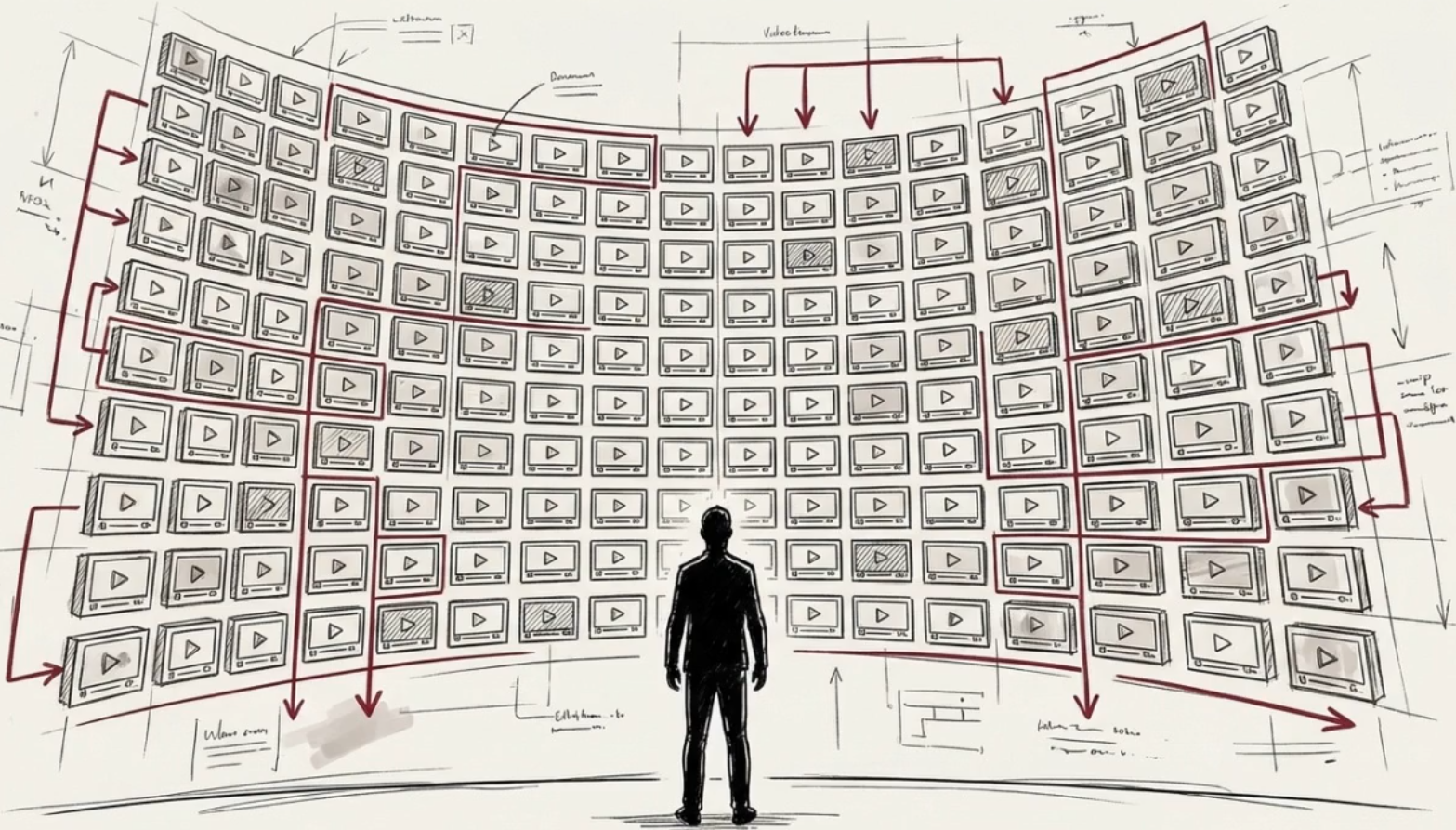
So imagine this scenario in VFX. Hiring a VFX recruiter sees this result from AI. The confidence score is sixty two percent cultural fit, even if they don’t fully trust it. That number influence the perception. The AI doesn’t need to replace a human judgment. It only needs to subtly shape it. And that is where it becomes more powerful. But the real issue isn’t the AI giving personality reports. The real issue is when AI becomes a gatekeeper
. If AI filters potential candidates before human sees them, the introverted best artist may be misclassified. non-Native best VFX artists may score differently. Talented creatives may be misunderstood. Artists who don’t answer strategically may be filtered out.
In VFX, careers often start because one supervisor sees a potential in an artist.
If that moment disappears, the industry will completely change and not necessarily for the better. We are problem solvers. We are artists. We are collaborators under chaos.

You cannot fully measure that through pattern recognition using AI. What do you think? Would you feel comfortable being evaluated by AI if ever human even meets you before? Let me know in the comments!