

And It May Signal a Bigger Shift for the Animation Industry
Netflix is officially moving deeper into AI-powered animation production with a new internal initiative called INKubator.
According to reports from Cartoon Brew and other outlets, the company is building a studio focused on “GenAI-native” animated workflows for shorts and special projects. The initiative appears to combine traditional animation techniques with generative AI tools as part of a hybrid production pipeline.
What makes this story important is not just the use of AI itself, but the way Netflix is structuring the production process around it from the beginning.
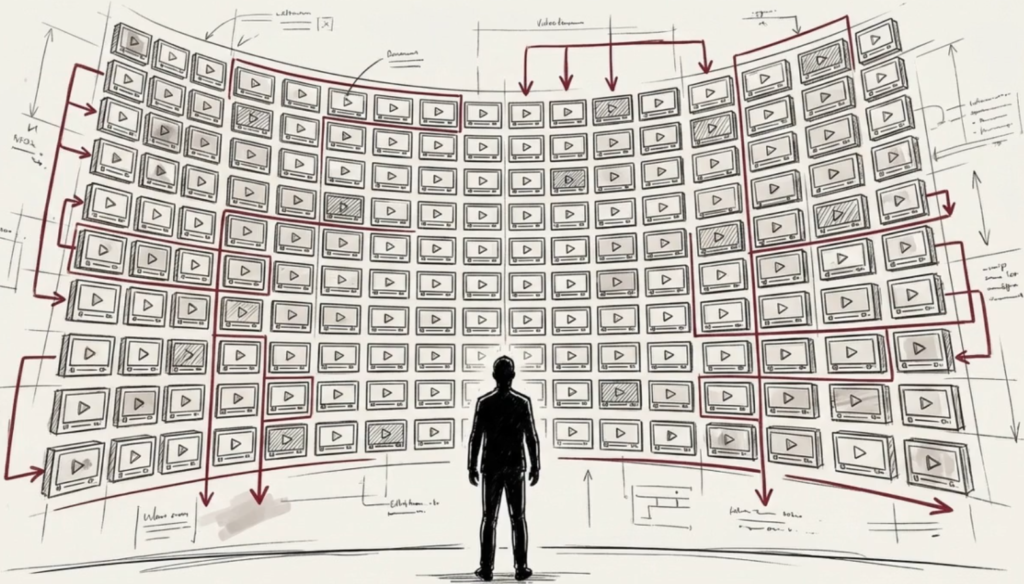
Recent job postings for INKubator reveal that Netflix is actively hiring compositors and technical artists to work inside these experimental AI-driven workflows. The posting specifically mentions integrating “GenAI outputs, CG renders, 2D elements, and live-action or capture-based sources into polished, cohesive shots.”
The role heavily focuses on Nuke compositing, look development, relighting, tracking, and troubleshooting, while also encouraging artists to experiment with blending generative imagery with traditional renders and footage.
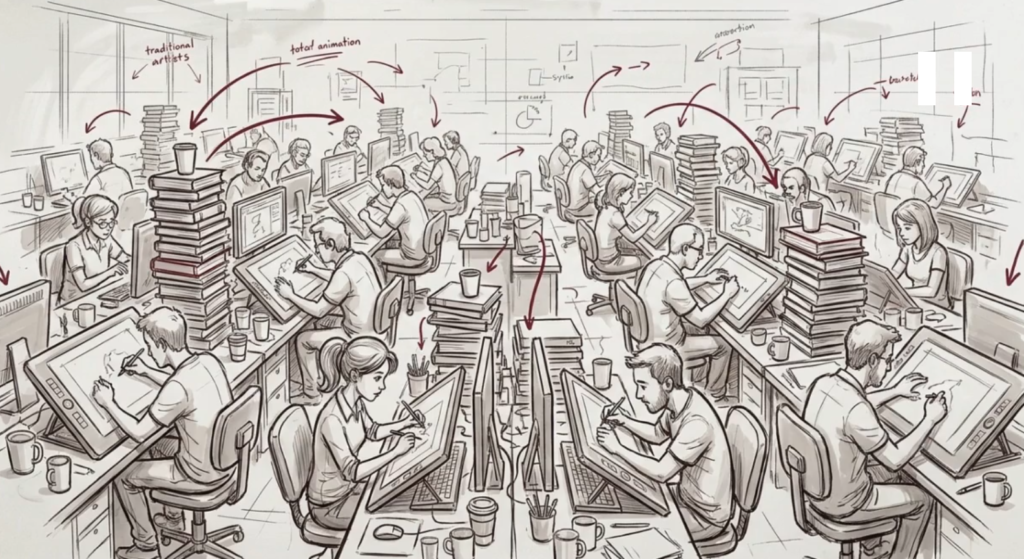
Netflix also describes the environment as “fast-paced” and “sprint-based,” suggesting a production culture influenced by rapid iteration and software-style development methods.
Interestingly, the posting still emphasizes traditional artistic and technical skills. Alongside compositing knowledge, Netflix is looking for artists with workflow-building experience, scripting skills, and familiarity with Python, BlinkScript, and pipeline integration.
This reveals something important about the current state of AI in entertainment production:
AI is not replacing the pipeline overnight.
It is being inserted into the pipeline.
And that distinction matters.
This Is Not About Replacing Artists First
It’s About Replacing Production Bottlenecks
A lot of people will look at this story and immediately jump to one conclusion:
“AI is replacing animators.”
But honestly, that’s probably too simplistic.
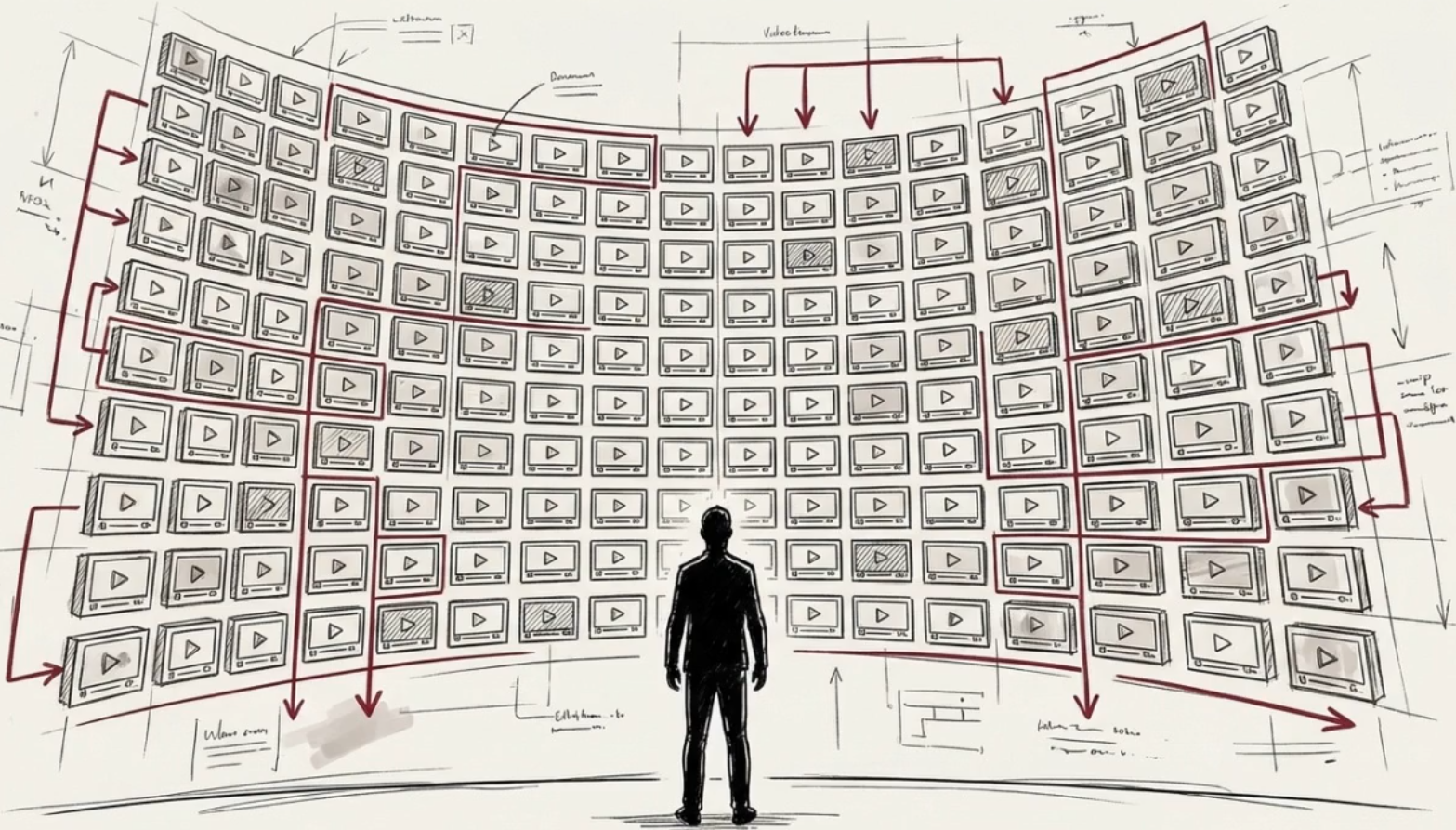
The bigger story here is that major studios are now trying to redesign production itself around speed, scalability, and endless content demand.
Streaming platforms no longer operate like old Hollywood studios.
They need:
- constant uploads
- shorts
- clips
- localized content
- vertical content
- social-first media
- rapid experimentation
Traditional pipelines are expensive and slow for that level of demand.
AI fits perfectly into this system because it reduces friction.
Not necessarily creativity.
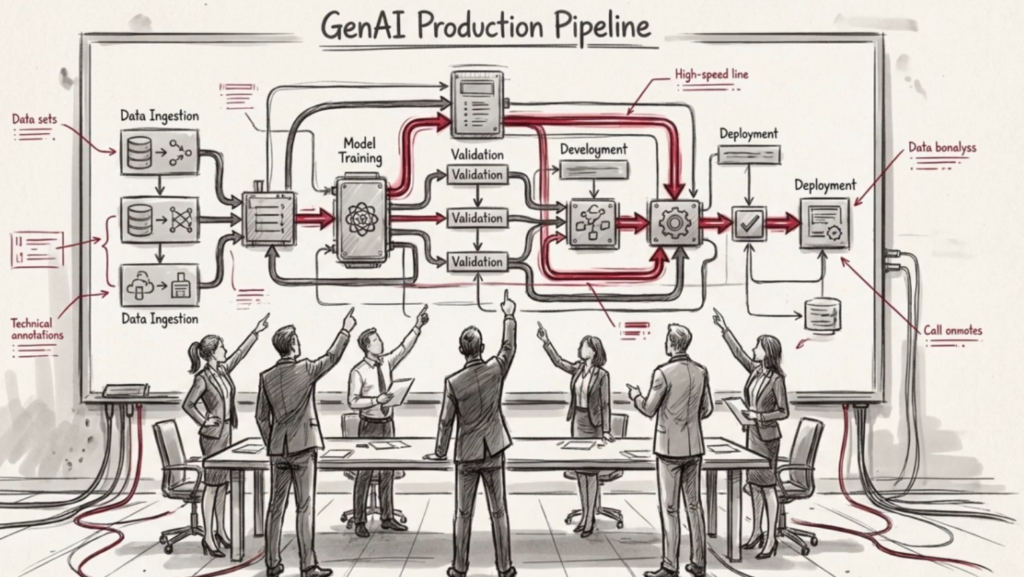
Friction.
And that is what makes this news important.
The scary part is not that AI can suddenly create Pixar-quality films tomorrow.
The scary part is that studios may decide “good enough” content is commercially acceptable for large portions of streaming media.
Especially for short-form entertainment.algorithm-driven platforms.
Especially when audiences consume content for only a few seconds before scrolling.
This is why the INKubator job posting feels bigger than a normal AI experiment.
Netflix is not testing a toy anymore.
They appear to be building infrastructure.
And historically, once infrastructure changes, industries slowly follow.
At the same time, the job posting accidentally proves something many artists ignore:
AI still needs skilled artists.
The posting repeatedly asks for compositors, technical artists, lookdev support, troubleshooting, and pipeline problem-solving.
That means current AI systems are still unstable, inconsistent, and dependent on human supervision.
So the future may not be “AI replaces artists.”
The more realistic future could be:
Artists who understand AI Animation pipelines replacing artists who refuse to adapt to them.
That is a much more uncomfortable conversation.
And honestly, probably a more realistic one too.