


After a short one-week delay, Blender 5.0 Beta has officially landed and it’s a big one. The upcoming release focuses on professional color workflows, improved asset management, and expanded geometry nodes capabilities, making this one of the most production-ready versions yet.
Next-Level Color Management: HDR, ACES, and OpenColorIO 2.0
Color handling in Blender just got a major upgrade. Blend files now come with a fully functional color space system, supporting Linear Rec.709, Linear Rec.2020, and ACEScg. Artists can now work within wide gamut pipelines and follow common ACES workflows, aligning Blender with high-end film and VFX color standards.

Compatibility with OpenColorIO 2.0 for ACES 2.0 has also been improved, ensuring smoother integration across professional grading and compositing tools.
Perhaps most exciting for display purists: HDR and wide gamut color display is now supported inside Blender, allowing artists to preview true high-dynamic-range visuals natively.
Better Rig Management for Animators
For animators, a small but long-awaited fix makes a big difference multiple armature instances can now be manipulated independently. Previously, visibility and selection states were shared between instances, creating headaches when managing multiple rigs. This change gives artists much finer control in complex animation scenes.
Scene Assets and New Human Base Mesh Update
Scenes can now be marked and stored as assets, complete with a preview image generated from the active camera. Dragging a scene from the asset browser will automatically import and activate it streamlining multi-scene workflows.
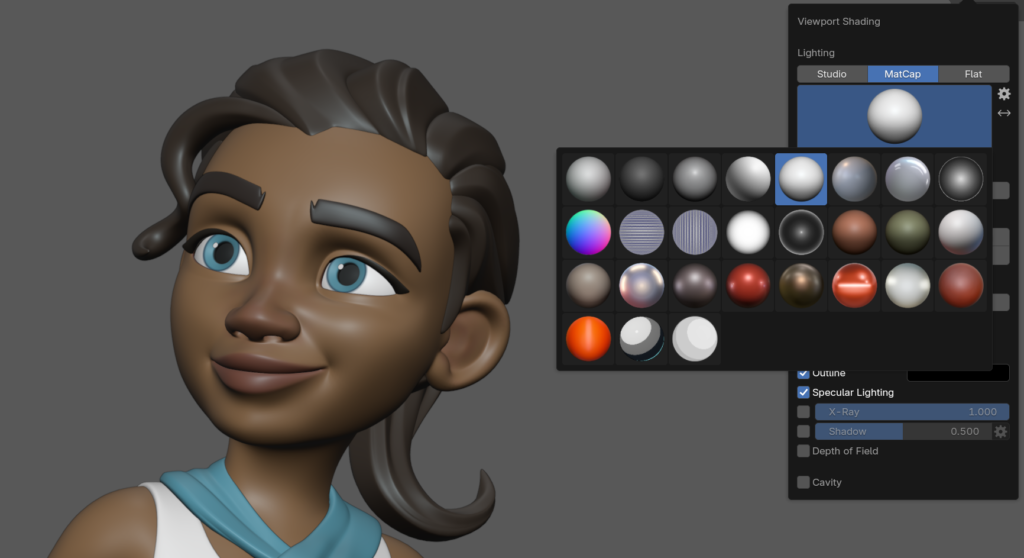
The Human Base Mesh Bundle has also been updated with a community-made realistic skeleton asset, expanding the toolkit for character artists and riggers who rely on Blender’s asset library.
Smarter Simulations and Realistic Shading
Smoke and fire simulations now utilize NanoVDB, which drastically reduces memory usage while keeping fidelity high. The tradeoff? Slightly longer render times but with the benefit of leaner, more efficient caches.
Meanwhile, random walk subsurface scattering now supports multiple bounces, offering richer skin tones and more natural light behavior under translucent surfaces. The change eliminates the darkening artifacts seen in previous versions, bringing Cycles closer to photorealism.
Rewritten Curve System & Smarter Geometry Nodes
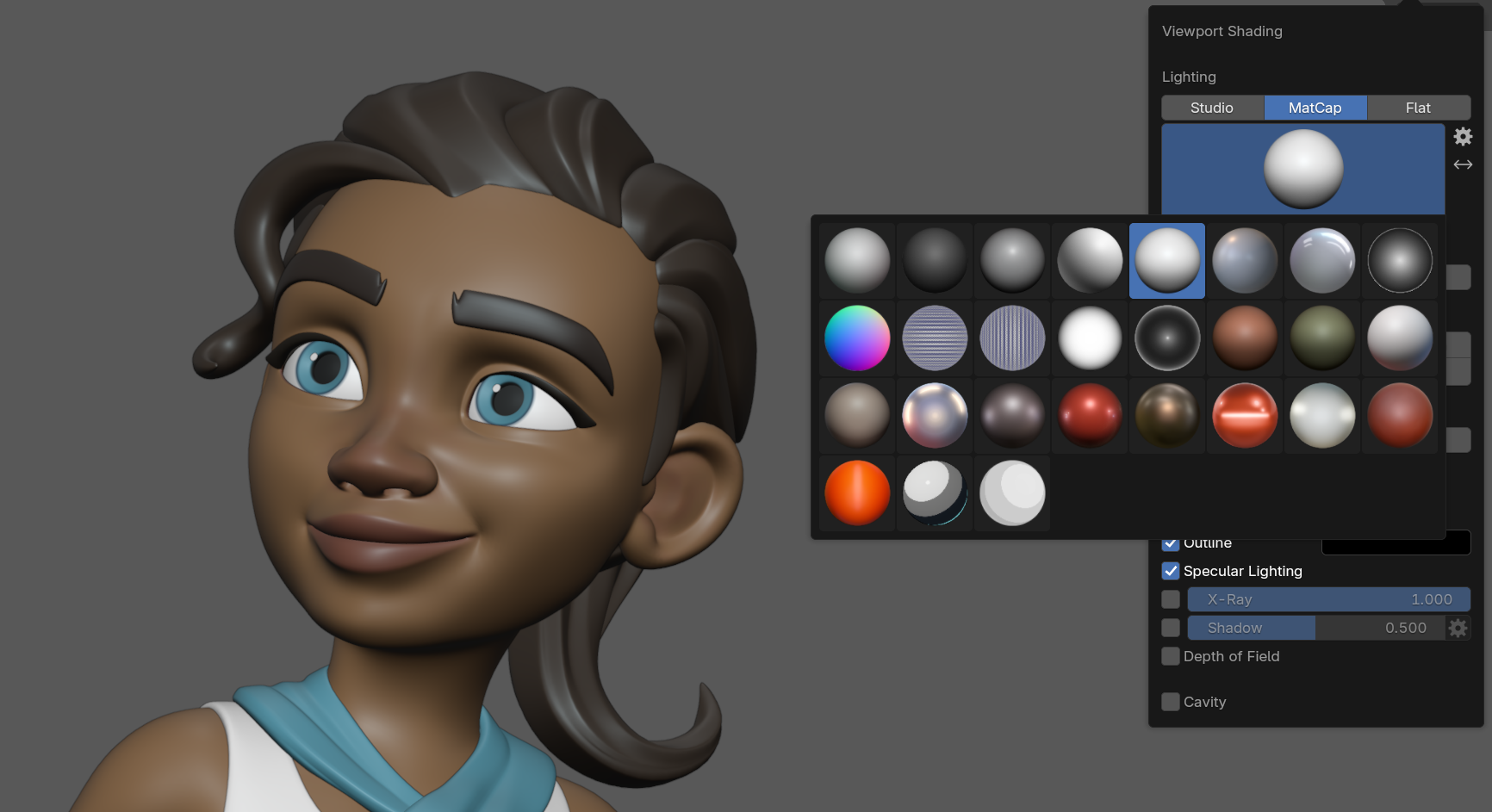
Curve drawing has been completely rewritten to support the new Curves object type, introducing subtle shading improvements and ensuring better parity between the Workbench and Cycles render engines.
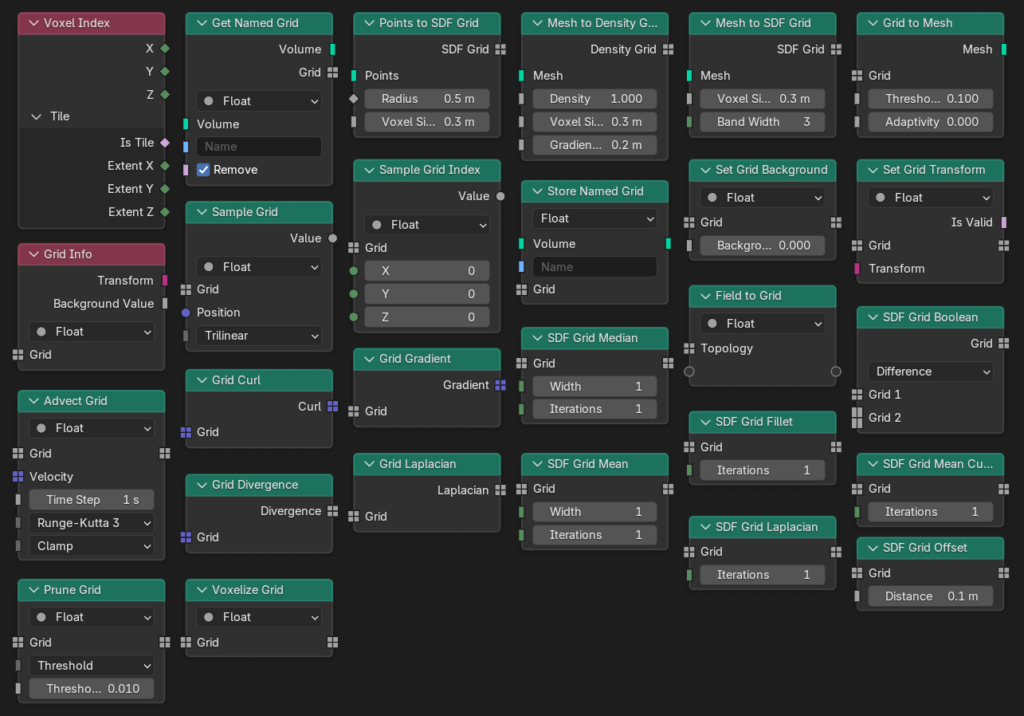
Blender 5.0 also brings a major expansion to Geometry Nodes: Volume Grids are now officially a core geometry type, joining meshes, curves, and point clouds. This means artists can finally edit volumetric data directly in nodes, opening creative doors for procedural smoke, fog, and cloud-based effects without external tools.
Introducing Bundles Blender’s Take on Structs
A standout new concept in this release is Bundles a way to package multiple values together and pass them as a single unit. Think of them as “structs” for nodes. This new data structure will help artists simplify node graphs and prepare for more advanced procedural workflows coming in future versions.
Looking Forward
Blender 5.0 lays important groundwork for what’s next: new socket types for bundles and closures, setting the stage for deeper, more flexible node systems.
With this beta, Blender continues to blur the line between open-source and studio-grade software pushing its ecosystem forward for 3D artists, VFX professionals, and technical directors alike.