



What is a QIP?
A Qualified Institutional Placement (QIP) is a way for publicly traded companies to raise capital by issuing shares to institutional investors. It’s often used when a company needs quick funds without going through a full public offering.
For a VFX studio, QIP can be a strategic move to fund expansion, invest in AI/ML technologies, or manage operational expenses. However, it can also signal deeper financial problems, leading to a negative market reaction.
QIP: The Financial Equivalent of VFX Crunch
A debtor period of 208 days means the company takes, on average, about seven months to collect payments from clients.
This is a sign of potential cash flow issues, as VFX studios often work with long payment cycles, especially with major film studios or streaming platforms. Delayed payments can strain operations and limit the company’s ability to invest in new projects.
A jump in working capital days means the company is taking longer to turn its current assets (accounts receivable, inventory, etc.) into cash. This could indicate growing inefficiencies, project delays, or difficulties in managing cash flow.

If this trend continues, it might lead to liquidity issues, forcing the company to rely on debt or external funding.
If the company can improve cash flow (e.g., negotiate better payment terms with clients), it may stabilize.
High debt and long payment cycles are risky, especially in the VFX industry, where projects are costly and dependent on external factors like film release schedules.If financial inefficiencies persist, it could struggle to maintain profitability, leading to layoffs, restructuring, or even acquisition by a larger entity.If they are investing in AI/ML tools, automation, or expansion, this could be a long-term growth strategy, but it depends on execution.
Signs That a QIP is Failing
- Stock Price Drops Post-QIP
- If the share price falls significantly after the QIP announcement, it indicates a lack of investor confidence.
- Debt Levels Remain High
- If debt-to-equity ratio does not improve, the QIP funds may have been used to repay previous debts instead of funding future growth.
- Cash Flow Doesn’t Improve
- If debtor days (e.g., 208 days) and working capital days (e.g., 454 days) remain high, it suggests that the company is still struggling with collections and cash flow.
- Insider Selling After QIP
- If company executives or promoters sell their shares soon after QIP, it’s a major red flag—they might not believe in the company’s long-term future.
- No New Projects or Technology Investments
- If the company fails to announce new VFX contracts, partnerships, or AI-driven tools after raising funds, it suggests no clear strategy for growth.
Conclusion: Should Investors Be Worried?
- If the QIP is used for innovation and growth, such as AI/ML pipelines, better infrastructure, or expansion into new markets, it could be a positive move.
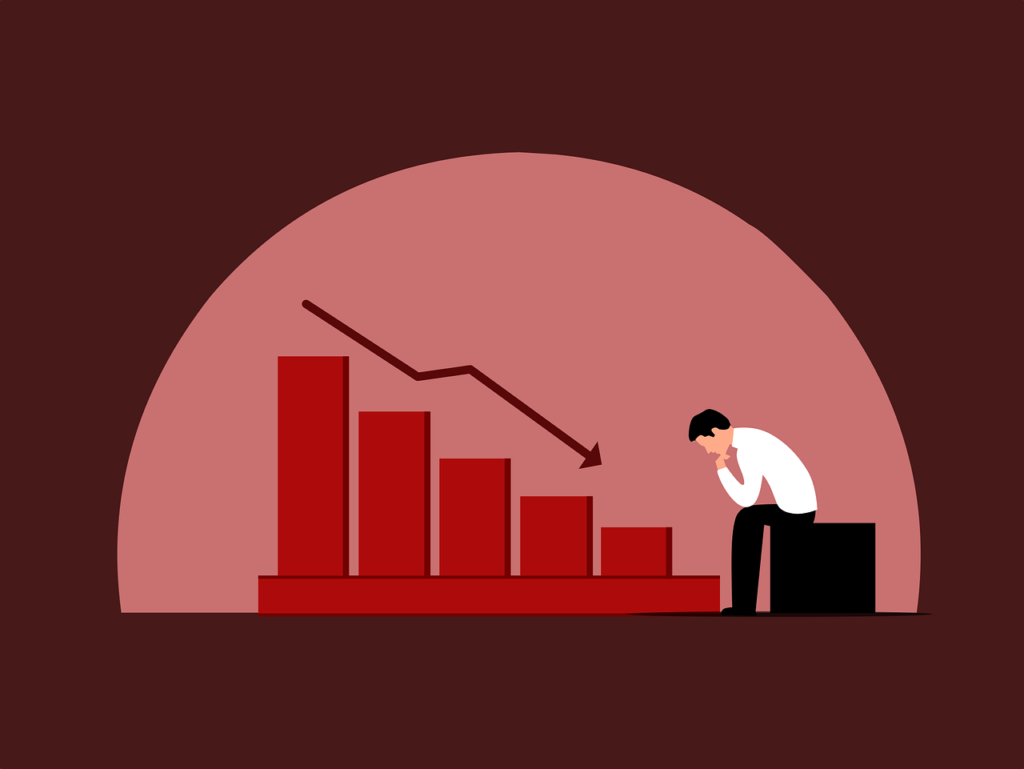
- If the QIP is used to cover past debts and cash flow issues, it’s a warning sign that the studio may be struggling to survive.
- Investors should monitor how the funds are being used and watch for signs of financial mismanagement.

A QIP can either be a lifeline or a trap—it all depends on how the VFX studio manages its Cash flow . If they fail to improve their fundamentals, even a QIP won’t save them from a stock market downfall. 🚨


