



For more than two decades, Trixter has been one of Germany’s most recognizable VFX names. Founded in 1998 in Munich, the studio built a reputation for character work, creature animation, and superhero-heavy sequences.
Their portfolio grew across major Hollywood titles, including Avengers: Age of Ultron, Captain Marvel, Guardians of the Galaxy Vol. 2, Shang Chi, Black Panther, and animated shows for Marvel and beyond. Along the way, the studio earned industry awards and nominations, and became a steady European partner for the major studios.
In 2018, Trixter was acquired by the Cinesite Group, joining a global network of VFX and animation studios with offices in London, Montreal, Vancouver, and beyond.

For years, the partnership looked stable, with Trixter contributing to tentpole blockbusters and high-end streaming projects.
But last week, reports began circulating online that large numbers of artists at Trixter Munich had been suddenly laid off. Some accounts claimed that “most or almost all” of the artists were let go overnight, creating fear that the studio might be shutting down or unable to take on future productions.
So, what actually happened?

Trixter responds
In a statement shared on November 27 from Munich, Trixter rejected the claim of near-total layoffs.
According to the studio, the majority of the team remains employed, and ongoing projects are continuing.
The company confirmed, however, that they have undergone what they call a “strategic restructuring”, including downsizing select teams due to what they describe as a global contraction in the VFX market.
The restructuring, they say, is designed to make the studio “more agile” and aligned with long-term plans across the entire Cinesite Group.
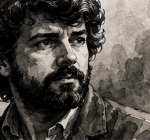
Christina Caspers, Managing Director at Trixter, stated that although the decision was difficult, it is part of a larger effort to stabilize operations during a challenging period for the industry.
The studio insists it remains fully operational, with current productions continuing and future projects in preparation.
Why this matters
The news arrives during a turbulent year for the VFX industry, especially in Germany. Earlier this year, Scanline VFX closed its Munich operations, shifting work to Vancouver and India. Now Trixter’s restructuring has raised new concerns about the stability of the German VFX ecosystem.
The impact extends beyond artists. Film schools, funding institutions, producers and local industry leaders will likely weigh in as the situation develops.
Germany has long positioned itself as a strong player in European VFX, and these changes could reshape hiring pipelines, talent retention, and future investment.
A difficult season for artists
Regardless of scale, layoffs mean real people losing work during an already strained time for the global VFX community. For the artists affected at Trixter, this holiday season will be heavy. Many will now look toward international studios, remote work, or other sectors for their next opportunity.