


Awards Season Officially Begins!
Awards season is officially coming up with the Golden Globe Awards landing on January 11, followed by the Grammy Awards in February and the Academy Awards in March. For VFX artists, the real calendar event is January 13,
when nominations for the Visual Effects Society Awards are announced across 25 categories focused purely on visual effects.

VES Awards recognition still carries weight inside the VFX industry, even if the general audience never hears about it. This matters because awards season quietly influences studio visibility, hiring momentum, and which reels get opened first.
Silhouettefx ML Course on FXPHD
FXPHD has released a new Silhouette course centered on machine learning assisted workflows, covering ML tools like Denoise ML, Face ML, Mask ML, Matte Assist, Matte Refine, and Motion Blur ML.
The course walks through real shot scenarios from previs to final comp, including beauty work using Mocha Powermesh, Morph, Inpainting, and the newer Cryptomatte workflow, and wraps up with SynthEyes camera solving inside Silhouette’s 3D Scene node.
For working roto and paint artists, this matters because it shows how ML actually fits into production instead of being a side experiment. ML is no longer optional knowledge, it is becoming part of the expected toolset. It is not replacing artists, but it is quietly raising the bar for what “baseline” productivity looks like.
ML Generated Editable Splines in Nuke
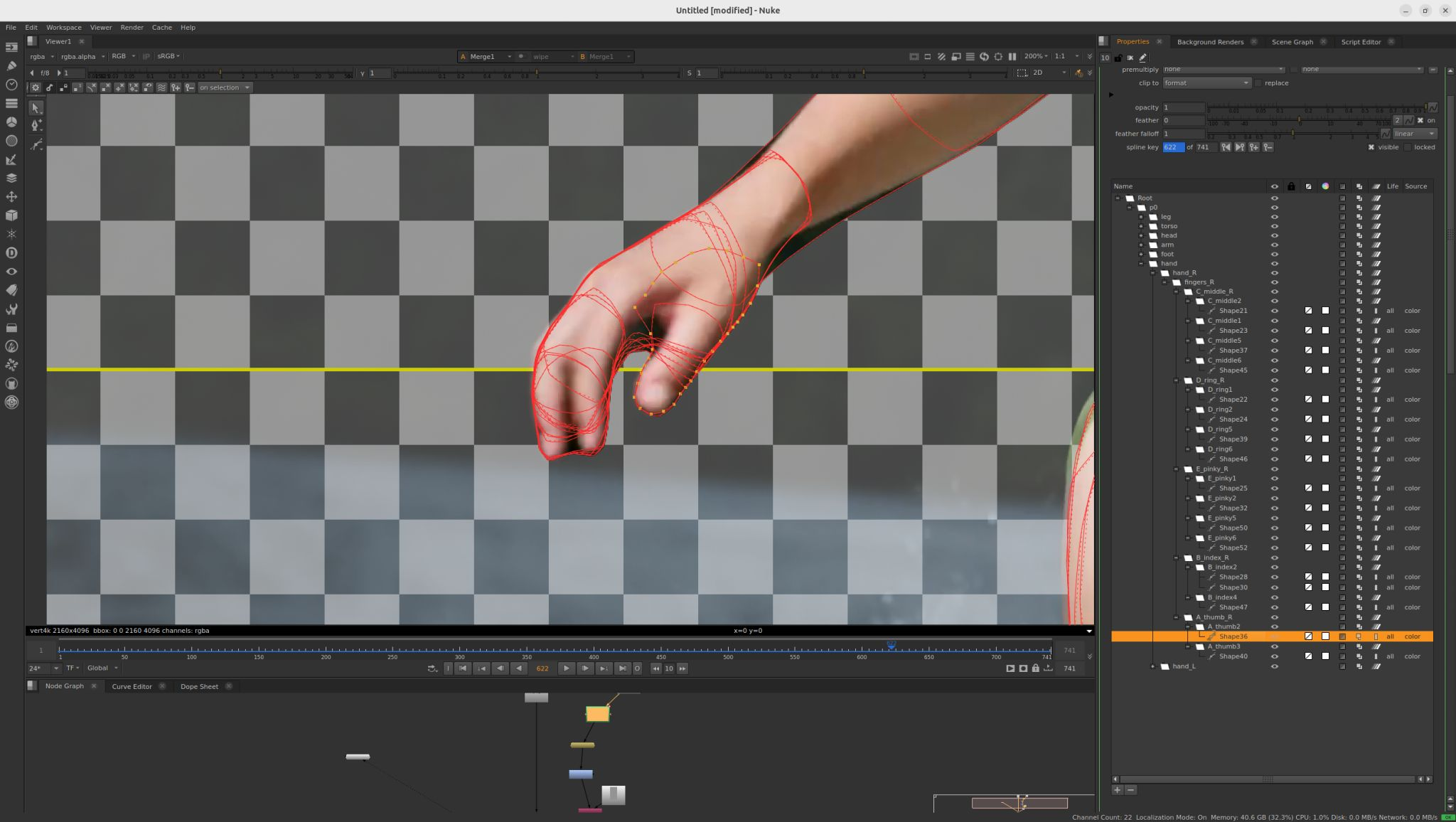
One of the more interesting ML developments this year is editable spline generation instead of baked alpha mattes. Tokgan demonstrated a work-in-progress prototype inside Nuke 16 that generates closed splines using ML predictions while still allowing manual artist control.
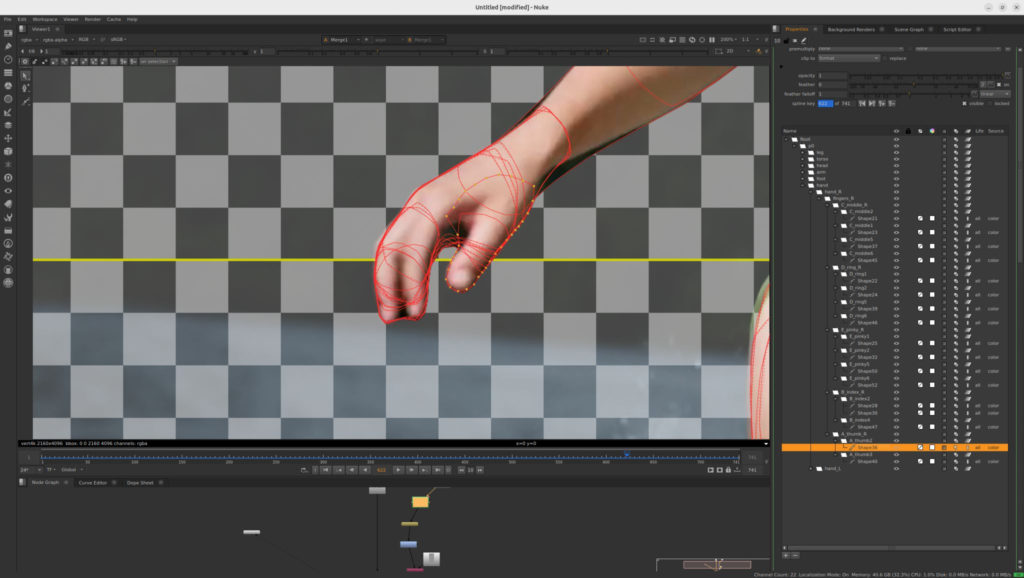
This is a big deal because editable splines solve one of ML’s biggest production problems, zero control once something breaks.
The catch is that every frame currently has keys!!, which makes editing painful and slow. Promising, yes. Production ready, not yet. Until temporal consistency improves, this is more of a smart first pass than a roto replacement.
ComfyUI and LTX-2 Updates
The ComfyUI repository is moving under the Comfy Org account, similar to previous transitions that did not break existing setups.
On the model side, LTX-2 is positioning itself as a potential competitor to Wan 2.2, offering synchronized audio and video generation in a single model, though desktop release is still pending.
ComfyUI has also partnered with NVIDIA and Lightricks, with new NVFP4 and NVFP8 checkpoints promising faster local 4K generation using significantly less VRAM.
the real story is not which model wins, but that serious local experimentation is becoming viable. Local tools mean fewer cloud demos and more pipeline friendly testing. The performance claims sound impressive, but like all AI benchmarks, they will be believed once artists actually try them on real shots, not promo clips.
VES Handbook of Visual Effects, 4th Edition
The Visual Effects Society has announced the fourth edition of the VES Handbook of Visual Effects, featuring contributions from 95 industry professionals. The update includes new chapters on virtual production, AI, NeRFs, Gaussian Splatting, and refreshed sections on previs, AR and VR filmmaking, and color management including ACES.
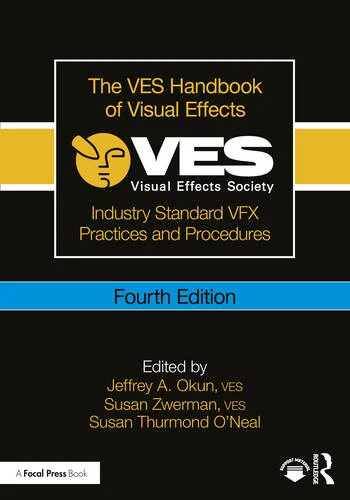
the handbook remains one of the few structured references that explains the industry beyond software tutorials.
Hopefully future editions spend more time on real-world issues like business model, subsidies, underbidding, schedules, and why none of this innovation matters if studios cannot stay financially healthy.
AI, VFX, and Industry FOMO
Almost every VFX studio is now experimenting with AI in some capacity, mostly driven by fear of falling behind . Clients are asking how AI is being used, whether it can reduce costs, and why everyone else seems to be testing it already.
For artists, this matters because AI is already creeping into non-final pixel areas like roto, proxy geo, matte painting, concept art, texturing, clean plates, pipeline automation, and even production management. Ignoring it is not a strategy.

The resistance feels familiar. The same arguments were made about CGI, digital compositing, and digital photography.
Ironically, smaller studios may benefit the most this time, since they can experiment faster while larger studios are still stuck in meetings about whether they are “allowed” to try.
That is it for this week. See you next week, hopefully with fewer buzzwords and more usable workflows.